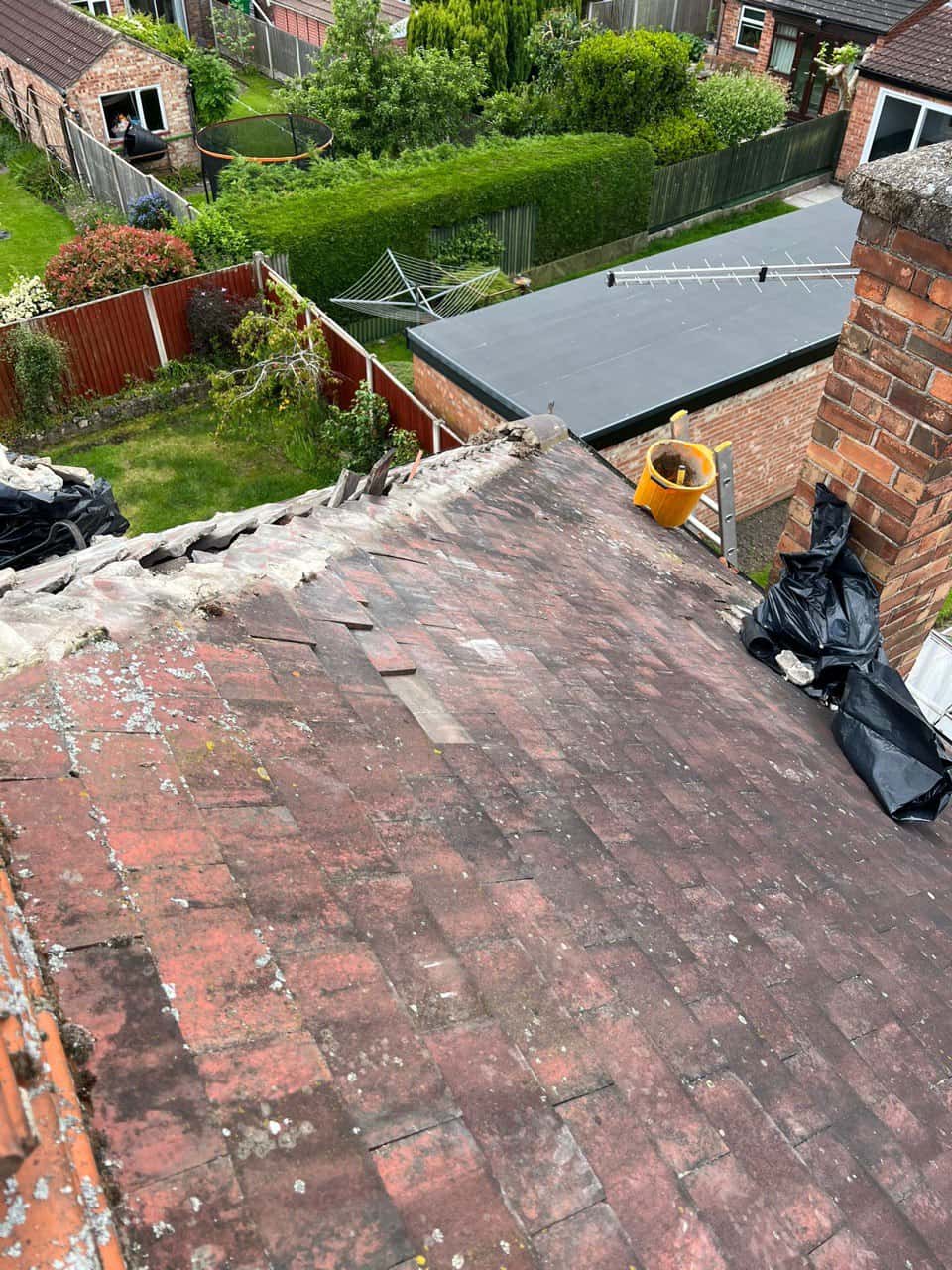
When a roof develops a problem, the most obvious defect is not always the only issue that needs attention. A slipped tile, persistent leak or deteriorated section of flashing may be relatively straightforward to identify, but understanding why the problem occurred and what it means for the wider roof requires a more thorough assessment.
For property owners in Gosport, Hampshire, a professional roof assessment can provide the information needed to make a sensible long-term decision. Rather than responding only to the latest visible problem, an assessment considers the condition of the roof as a complete system and establishes whether targeted repair work is sufficient or whether a more comprehensive approach should be considered.
Why a Professional Roof Assessment Matters
A roof consists of numerous components working together to keep a property protected from the weather. The visible covering is important, but tiles or slates, flashing, valleys, ridges, verges and other details all contribute to the roof’s overall performance.
A professional assessment examines these areas collectively. This makes it possible to distinguish between an isolated defect and a problem that may be connected to broader deterioration.
The objective is to understand what the roof genuinely requires rather than making assumptions based solely on its appearance or age.
Finding the Actual Cause of a Roofing Problem
One of the most valuable aspects of a professional assessment is identifying the root cause of the problem.
Water entering through a roof can travel along roofing materials or structural components before becoming visible inside the property. Consequently, a damp patch on a ceiling does not necessarily indicate that the defect is immediately above it.
Similarly, a loose or displaced tile may be the visible result of another weakness affecting the surrounding area.
By investigating how and why the problem has developed, a roofer can recommend work that addresses the source rather than simply treating the symptom.
Understanding Whether Damage Is Localised or Widespread
The extent of deterioration has a major influence on the appropriate roofing solution.
When damage is confined to a small area and surrounding materials remain secure and serviceable, a targeted repair can often restore reliable performance. There is little benefit in disturbing sound roofing materials unnecessarily.
However, if similar deterioration is present across several sections, repeatedly repairing individual defects may not address the wider condition of the roof.
A professional assessment establishes how far the problem extends, helping homeowners make decisions based on the roof as a whole rather than one visible area.
Looking Beyond the Main Roof Covering
Tiles and slates tend to receive the most attention because they form the most visible part of many roofs. However, leaks and other roofing problems frequently develop around details where materials meet, overlap or change direction.
A comprehensive inspection should consider areas such as:
- Lead flashing and weatherproof junctions
- Valleys and drainage routes
- Ridge and verge details
- Areas around roof penetrations
- Previous repair locations
- Connections between different roof sections
- The general security of the roof covering
Examining these areas provides a more accurate understanding of how effectively the complete roofing system is functioning.
Assessing the Condition of Surrounding Materials
A damaged component should rarely be considered completely independently from the materials around it.
For example, replacing a cracked tile can be an effective repair when neighbouring tiles and their supporting components remain sound. If numerous surrounding tiles are deteriorating or becoming insecure, simply replacing the most obvious damaged one may provide only a limited solution.
The same principle applies to flashing, mortar and other roofing details.
Assessing surrounding materials allows the repair to be planned appropriately and can reveal whether the visible defect is genuinely isolated.
Using Previous Repairs to Understand Roof Performance
A roof’s repair history can provide useful clues about its overall condition.
An occasional isolated repair does not necessarily indicate a significant roofing problem. Roofs are exposed to the elements throughout the year, and individual components can sometimes require attention while the remainder of the system stays perfectly serviceable.
A pattern of recurring defects deserves closer investigation.
If the same area repeatedly causes problems, the original source may not have been fully resolved. If completely different sections are beginning to deteriorate, several roofing components may be reaching a similar stage of wear.
Professional assessment helps put previous repairs into context and determine whether continued targeted work remains appropriate.
Making Better Decisions About an Older Roof
Roof age is relevant, but it should not be used as the sole reason for deciding what work is required.
An older roof that has been maintained appropriately may still have many serviceable components. Conversely, deterioration can sometimes develop earlier due to exposure, damaged materials or previous workmanship.
The condition of the roof provides more useful information than age alone.
An assessment can identify which components remain dependable, which require attention and whether individual repairs are likely to provide a satisfactory long-term result.
Avoiding a Cycle of Repeated Short-Term Repairs
A repair should resolve a clearly identified problem. Difficulties arise when new defects continue to appear and each one is treated independently without considering the wider roof.
This can create a cycle where one area is repaired only for another problem to become apparent shortly afterwards.
A whole-roof assessment can identify whether these defects are genuinely unrelated or whether they form part of a broader pattern of deterioration. Understanding this distinction helps determine whether another local repair is sensible or whether a different approach would provide a more dependable outcome.
Why Timing Can Affect the Condition of the Roof
Small roofing defects do not always remain small.
A displaced tile, damaged flashing detail or opening around a junction can allow moisture to reach areas beneath the external covering. Continued exposure can then affect surrounding materials that were previously sound.
Having a developing problem assessed promptly can therefore help limit unnecessary deterioration.
Early investigation also provides more options. When a problem remains confined to a manageable area, targeted repair work may be possible before the defect has an opportunity to affect a larger section of the roof.
What Should a Useful Roof Assessment Achieve?
A worthwhile assessment should leave the homeowner with a clearer understanding of the roof rather than simply identifying a list of visible defects.
It should establish:
- What is causing the current problem
- How extensive the deterioration is
- Whether surrounding roofing materials remain sound
- Whether previous repairs are performing correctly
- Whether targeted repairs are appropriate
- Whether problems are isolated or part of a wider pattern
This information provides a sound basis for deciding what the roof needs now while also considering its future performance.
Choosing Work Based on Condition Rather Than Assumption
The right long-term decision is not automatically the most extensive option.
Sometimes a properly executed local repair is all that is required to restore a roof. In other circumstances, the overall condition may show that continually repairing separate areas is unlikely to provide dependable performance.
Professional assessment helps make that distinction.
At Gosport Roofing Repairs, we focus on identifying the cause and extent of roofing problems before recommending an appropriate solution. For property owners in Gosport, Hampshire, this means decisions can be based on the actual condition of the roof rather than assumptions about what might be wrong.
Conclusion
A professional roof assessment provides the information needed to make a more confident long-term decision about your property. By identifying the source of a problem, assessing surrounding materials and considering the roof as a complete system, it becomes much easier to determine whether a targeted repair is appropriate or whether wider attention is required.
The most effective approach is always one that matches the actual condition of the roof. Addressing the underlying cause rather than repeatedly treating visible symptoms can help maintain dependable roof performance and reduce the likelihood of avoidable recurring problems.
If you have concerns about the condition of your roof in Gosport, Hampshire, contact Gosport Roofing Repairs. We can assess the roof carefully, identify the cause of any deterioration and recommend an appropriate course of action based on what the roof genuinely needs.
Call us on: 023 8235 7296
Click here to find out more about Gosport Roofing Repairs
Click here to complete our contact form and see how we can help with your roofing needs.